So, for absolutely no reason, the other day, I felt like I was in the mood to rank stuff and make a challenging list. As a result, I made a top list of my 95 favourite film directors! Why? No idea, but I think it was about time, right?!
And believe me, it was not an easy task. So, to rank things out, I kind of went with some weird mathematical calculations that involved the numbers of films I had seen from a certain director vs the number of films I REALLY liked from that director (don’t worry, it makes sense in my head), and of then I adjusted everything with my own personal judgement and feelings. And the result is, well, what you’re about to see. I’m sure I will feel like changing stuff again as soon as this top is posted, but, honestly at some point I had to stop changing the ranking, otherwise it would never end. I’m overall pretty happy with the “final” result.
And without further ado, here we go!
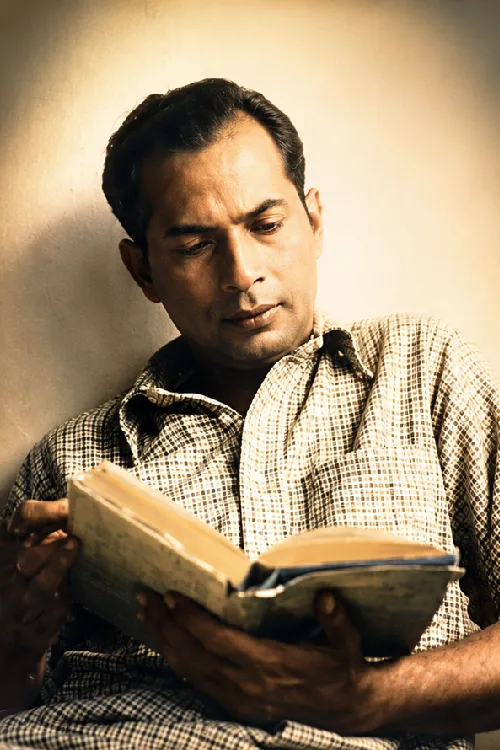
BIMAL ROY
Bimal Roy bridged the gap between commercial storytelling and social realism. Known as the “silent master” of Indian cinema, he pioneered a poetic, empathetic filmmaking style that captured the struggles and triumphs of post-independence India.
A true visionary behind the lens, Roy was never one for loud showmanship; he let his narratives tackle profound social inequalities with quiet grace. The strong visual foundation shaped his signature aesthetic. Be it the gritty, neo-realist triumph inspired by Italian cinema – the classic ‘ Do Bigha Zameen’ (1953), the story of an impoverished farmer trying to save his ancestral land, or ‘Madhumati’ (1958) a lush, commercial romantic drama about reincarnation, or ‘Sujata (1959) a poignant critique of India’s caste system and untouchability, or his last film as a director ‘Bandini’ (1963) for its complex psychological depth and a profoundly resilient female lead.
Roy’s work revolutionized Indian filmmaking. He treated his female characters with immense respect, portraying them as complex individuals navigating rigid societal constraints. Furthermore, he fostered a collaborative, quiet atmosphere on his sets, nurturing a generation of filmmakers who would go on to shape Indian cinema for decades.
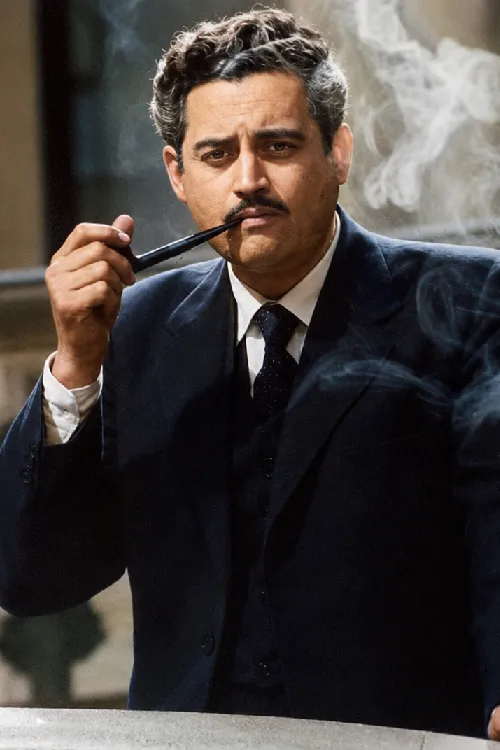
GURU DUTT
Guru Dutt, a legendary Indian filmmaker, actor, and producer, widely revered as one of the greatest auteurs in Indian cinema. His visionary work transcended mere entertainment, merging profound melancholia, breathtaking cinematography, and poetic lyricism to explore themes of unfulfilled love and societal alienation.is visionary work transcended mere entertainment, merging profound melancholia, breathtaking cinematography.
Starting his career as a choreographer and assistant director before successfully transitioning into directing and acting. His early directorial features, such as Baazi (1951) and Mr. & Mrs. 55 (1955), showcased his ability to craft lighthearted, urbane romances and stylish noir thrillers. However, his cinematic legacy is primarily defined by his poignant, deeply personal masterpieces. Pyaasa (1957), the tale of a disillusioned poet navigating a materialistic society, and Kaagaz Ke Phool (1959), which has since gained a massive cult following, offers a tragic, semi-autobiographical reflection on the fleeting nature of fame and artistic struggle poetic lyricism to explore themes of unfulfilled love and societal alienation.
Dutt’s directorial style was collaborated with master cinematographer V.K. Murthy, employing dramatic chiaroscuro lighting, innovative tracking shots, and iconic close-ups to heighten the emotional weight of his narratives. Furthermore, he revolutionized how music was utilized in Indian cinema. Working closely with composers like S.D. Burman and lyricists like Sahir Ludhianvi, his films integrated songs not as mere interruptions, but as crucial, haunting extensions of the protagonist’s inner psyche and social critique
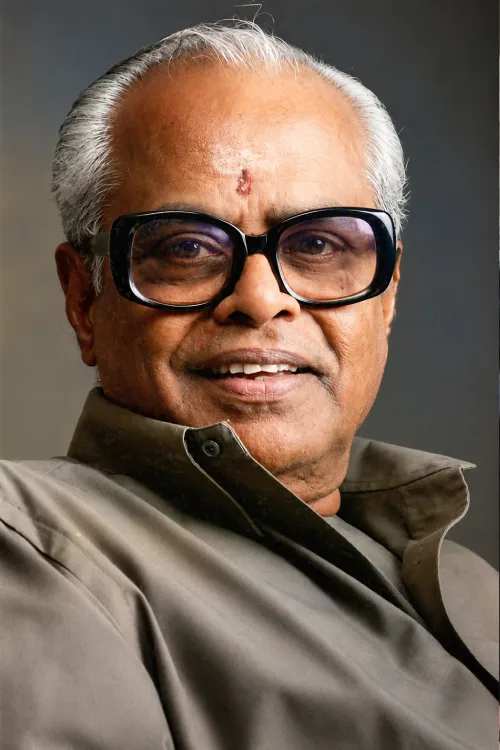
K. BALCHANDER
Balachander, known as Iyakkunar Sigaram (the peak of directors), he shifted the industry’s focus from traditional, hero-centric spectacles to bold, realistic, and complex interpersonal dramas.South Indian cinema was heavily dominated by larger-than-life superhero and mythological narratives. Balchander deliberately moved away from this by choosing to chronicle the struggles and triumphs of the middle class. His storytelling was deeply psychological, exploring unconventional relationships, the complexities of love, and the moral ambiguities of society.
Balachander is widely celebrated as a pioneer of women-centric cinema in India. At a time when female characters were routinely sidelined, he placed women at the center of his narratives. His heroines were often bold, independent, and resilient women who defied societal norms and took control of their own destinies in films like Aval Oru Thodarkadhai(1974) and Avargal (1977). Perhaps his most enduring legacy in Indian cinema is his ability to discover, nurture, and launch extraordinary acting talent. He introduced or significantly shaped the careers of legendary stars like Kamal Haasan and Rajinikanth.
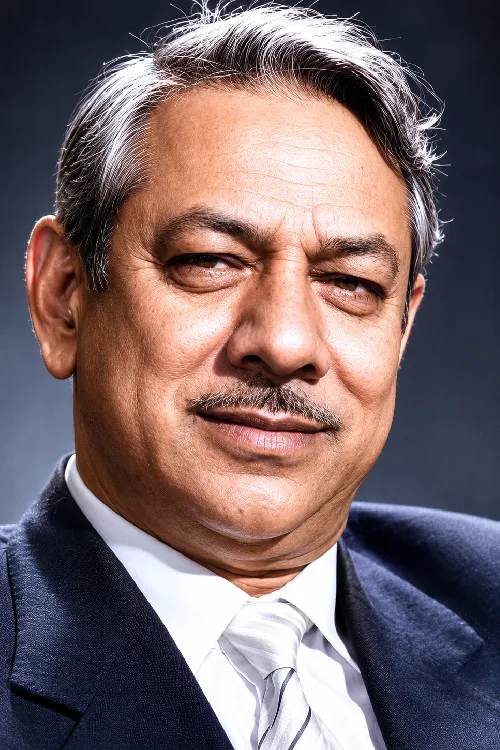
MEHBOOB KHAN
Mehboob Khan was a visionary architect of Indian cinema, renowned for epic, socially conscious storytelling and grand cinematic flair. Rising from humble beginnings as a studio extra to becoming India’s “Cecil B. DeMille,” he pioneered the rural dacoit genre and immortalized the spirit of the nation with the iconic cinematic milestone, Mother India. Transitioning from silent film odd-jobs to directing, his directorial debut, Al Hilal (1935), established his talent for sweeping action and large-scale sets. Over a 43-year career, he bridged the gap between artistry and mass entertainment.
Mehboob Khan’s films consistently highlighted the struggles of the working class, class divide, and rural hardships, championing a socialist, “son of the soil” ethos. He established Mehboob Productions in 1945 with a hammer and sickle emblem to reflect these working-class roots. In 1954, he built the iconic Mehboob Studios in Bandra, Mumbai, which provided a permanent creative sanctuary for the Indian film industry.
While known for musical hits like Anmol Ghadi (1946) and romances like Andaz (1949), Mehboob Khan is celebrated for his grand, visually opulent blockbusters: like Aan (1951): India’s first Technicolor film, this lavish swashbuckler was a massive global success that cemented his reputation as an epic filmmaker.
Mother India (1957): His magnum opus and a remake of his own 1940 film Aurat. It starred Nargis as the quintessential self-sacrificing mother. The film’s powerful imagery became a legendary allegory for post-independence India and made history as the first Indian film to be nominated for the Academy Award for Best Foreign Language Film. Mehboob Studios remains a historic landmark, and his films continue to be celebrated for their massive scale, emotional depth, and cultural resonance.
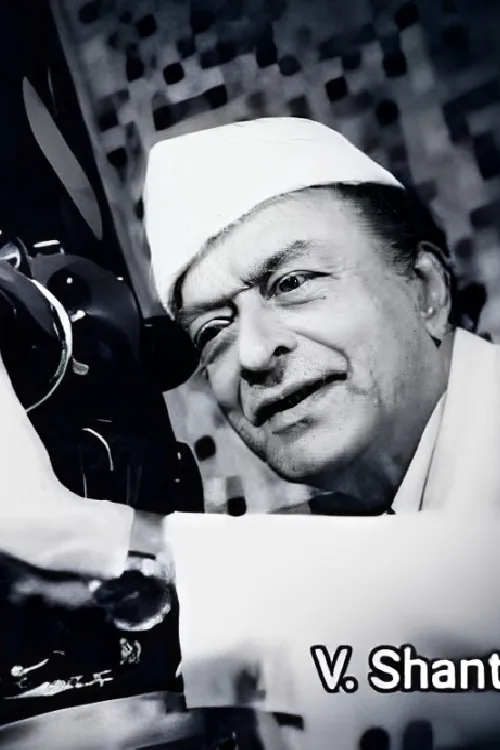
V. SHANTARAM
V. Shantaram transformed Indian cinema from the silent era into the golden age, championing bold social reform, gender equality, and technical innovation. Shantaram recognized the power of film as an instrument of social change. His storytelling repeatedly took on regressive traditions, exposing bigotry and advocating humanism. He was one of the first Indian directors to put women at the center of his narratives, portraying them as individuals capable of rebelling against oppressive societal norms (e.g., Duniya Na Mane).
Shantaram’s genius lay in his ability to blend deep social consciousness with visually stunning art and music. As an innovator, he served as a consummate director, actor, writer, and editor. His craftsmanship was so revered that the legendary Charlie Chaplin praised his film Manoos.
The Continuous Single-Shot Take: In his 1946 masterpiece Dr. Kotnis Ki Amar Kahani, Shantaram executed an incredibly long, unbroken camera shot that required fluid trolley movements. Film scholars have compared this to similar technical feats later popularized in the West, such as Alfred Hitchcock’s continuous-take film Rope (1948).
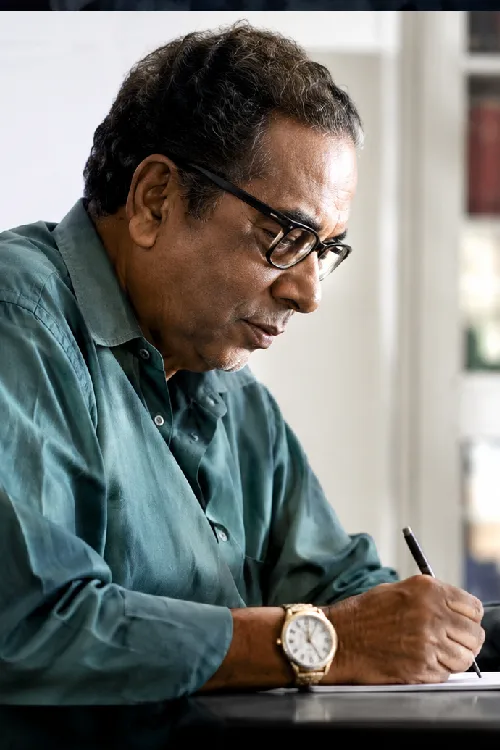
K.G. GEORGE
George was a trailblazing Indian filmmaker who revolutionized Malayalam cinema by bridging the gap between parallel art-house films and commercial formula movies. His films are celebrated for their psychological depth, bold socio-political critiques, and empathetic portrayal of women. George created a new school of “middle-stream” cinema. His works rejected regressive tropes and song-and-dance formulas, opting instead for uncompromising realism. Heavily influenced by Italian Neo-realism and directors like Federico Fellini, George seamlessly incorporated surrealist dream sequences into his narratives without compromising their grounded reality.
George was unafraid to hold a mirror to Malayali society and its power structures. His statements on Feminism & Patriarchy through Adaminte Variyellu (1984) offered a scathing critique of a male-dominated society through the struggles of three women, cementing his reputation for progressive, female-centric storytelling. Irakal (1985) is considered a masterpiece, offering a clinical, disturbing look into the minds of a wealthy, morally bankrupt family. He directed Panchavadi Palam (1984), one of Malayalam cinema’s sharpest political satires, and Yavanika (1982), a tightly woven investigative thriller set against the backdrop of a touring drama troupe.
Though his career was relatively short, K.G. George left an indelible mark. His inward gaze at the film industry itself in Lekhayude Maranam Oru Flashback (1983) and his willingness to tackle taboos made him special. Today, he remains a profound influence on new-age Malayalam directors.
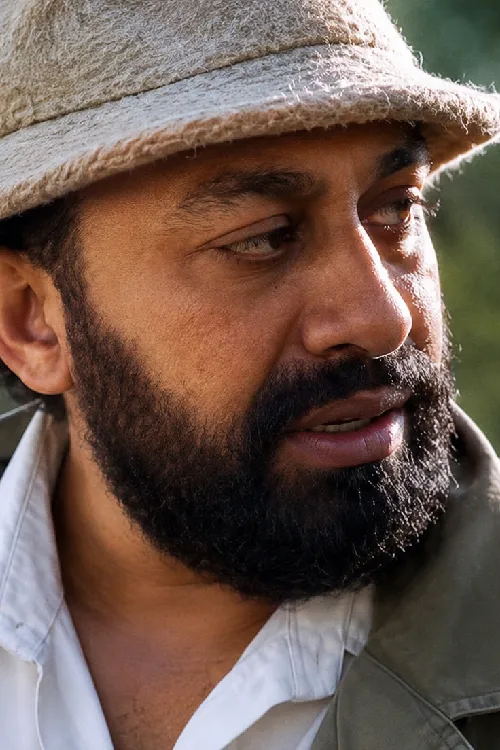
PADMARAJAN
Often celebrated as a “celestial storyteller,” he bridged the gap between commercial and parallel cinema, pioneering a new wave in Malayalam film history. His masterpieces include Thoovanathumbikal (1987) and Namukku Parkkan Munthiri Thoppukal (1986). Before becoming a cinematic force, Padmarajan was an acclaimed novelist and short-story writer.
Padmarajan’s films are highly revered for their Nuanced Characterization. His characters were deeply flawed yet incredibly real, exploring themes of love, lust, betrayal, and existential longing with profound empathy. His films had a Lyrical Realism. His visual style beautifully married the poetry of everyday life with the sometimes dark, unpredictable nature of human emotion. He was the king of Unflinching Romance. He explored passion and peripheral elements of society without being overly melodramatic, creating cinematic worlds where the unspoken communicated just as powerfully as dialogue. Over his relatively short 15-year cinematic career, he directed 18 films, leaving an indelible legacy that still influences generations of contemporary Malayalam filmmakers.
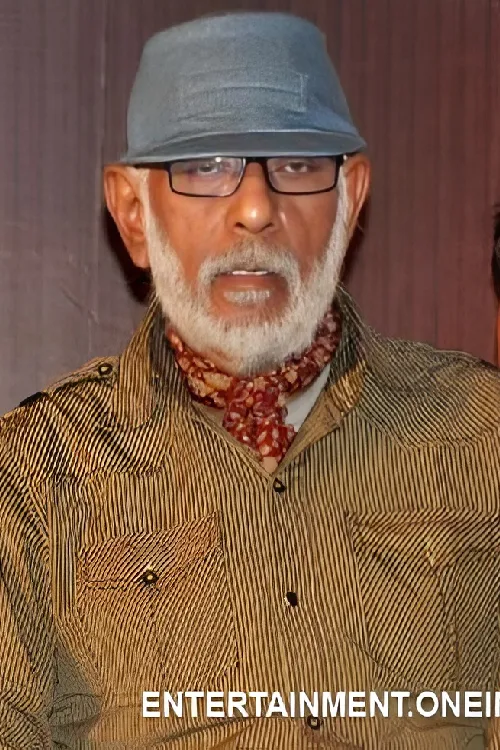
BALA MAHENDRU
As a pioneer of the “new wave” in the 1970s and 80s, Bala moved storytelling away from theatrical melodramas into a realm of profound realism, psychological depth, and visual poetry. Mahendra made his directorial debut with the critically acclaimed Kannada film Kokila (1977), which won a National Film Award. Over a career spanning more than three decades, he directed over twenty films across Tamil, Malayalam, Telugu, and Hindi.
His films were renowned for nuanced Human Relationships. Instead of focusing on exaggerated conflicts, he explored the intricate, sometimes painful emotional landscapes of love, marriage, and solitude (e.g., Moondram Pirai).
He was the master of visual storytelling, Relying heavily on evocative visuals and telling silences rather than dialogue, his cinematography directly drove the narrative. Along with contemporaries like Bharathiraja, he helped steer Tamil cinema out of the realm of simplistic morality into a sophisticated appreciation of life’s shades of grey.
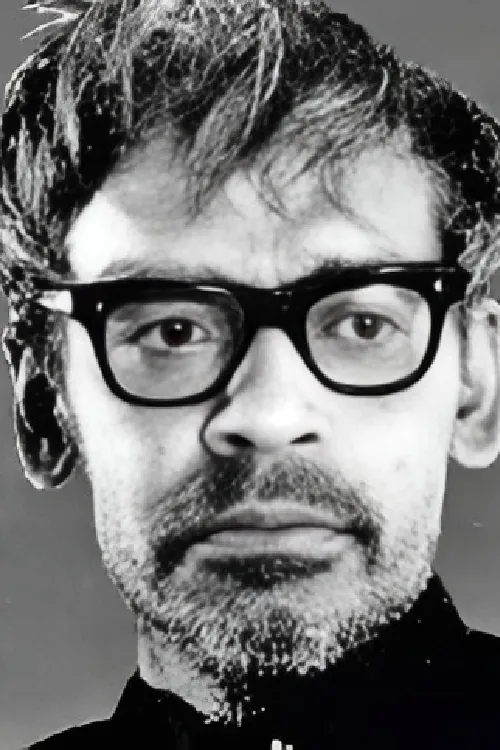
RITWIK GHATAK
Ghatak, driven by his Marxist ideology and the traumatic partition of Bengal, his uncompromising, highly emotive films remain a raw tribute to the dispossessed. Having been uprooted from his ancestral home in East Bengal during partition, he repeatedly explored the agony of exile, rootlessness, and the struggles of refugees. Masterpieces like Meghe Dhaka Tara (1960) and Subarnarekha (1962) do not romanticize poverty; Ghatak was an intellectual and a pioneer of India’s cinematic avant-garde. He did not shy away from the Indian tradition of melodrama; instead, he elevated it, infusing heightened emotion with brutal realism to create an epic, operatic style.
His craft is defined by disjunctive editing. His cuts often feel like jarring interruptions, effectively mirroring the sudden disruptions of trauma and memory.
Expressive Sound Design was the benchmark of his works. Ghatak used sound not just as atmospheric filler, but like a scalpel to shock the audience and reveal deep, underlying pain. Symbolic Imagery like Landscapes, railway tracks, rivers, and makeshift refugee colonies served as powerful metaphors for separation and transition. His films continue to be recognized for their fierce feminism, deep compassion for the marginalized, and unyielding condemnation of socio-economic inequality. Ghatak’s cinema stands as a burning lamp of truth, reminding us of the human cost of borders and the resilience of those who endure them.
Although he completed only eight feature films during his tragically short and turbulent life, his influence as a director and a theorist is immense. Though often overlooked for mainstream awards and overshadowed by Ray’s international success during his lifetime, Ghatak is now universally revered as an auteur of the highest order.
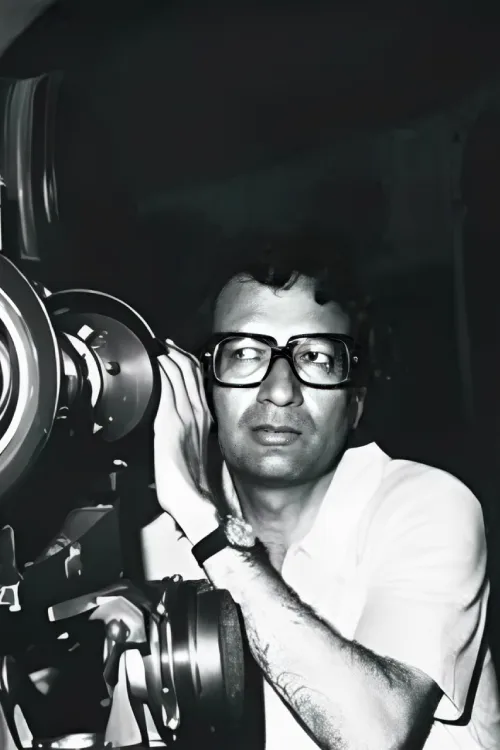
VIJAY ANAND
While much of Indian cinema in the mid-20th century relied on melodramatic formulas, Vijay Anand introduced a slick, modern sensibility. He was a master at blending romance, noir, philosophy, and suspense. His films—notably Guide(1965), Teesri Manzil (1966), Jewel Thief (1967), and Johny Mera Naam (1970)—are celebrated for their sharp dialogue, tight editing, and intricate thrillers. He broke away from static, theatrical framing, instead moving the camera dynamically to draw the audience directly into the action.
Perhaps Vijay Anand’s greatest cinematic legacy is his unparalleled ability to stage and shoot songs. Long before the era of modern music videos, he transformed musical interludes into crucial narrative devices. Rather than having characters stand and sing, he choreographed elaborate, sweeping camera movements that allowed actors like his brother, Dev Anand, to dance through complex, maze-like sets. Sequences like “Aaj Phir Jeene Ki Tamanna” (Guide) or “Hai Apna Dil Toh Awara” (Solva Saal) remain iconic studies in rhythm, visual pacing, and camera choreography. Versatility defined Anand’s career. He was heavily involved in the writing and editing of his own projects, giving his films a cohesive pacing that few directors of his era could match. He was also an accomplished actor, bringing a charming, nuanced presence to films like Kala Bazar (1960) and Kora Kagaz (1974).
Vijay Anand’s films transcend generational boundaries. Through his unparalleled visual aesthetic, intelligent narratives, and deep understanding of human emotion, he left an indelible mark on Indian cinema, continuing to inspire filmmakers to this day.